

Ultimate Guide to Shopping for Frozen Foods
Humans have a long history of freezing foods to preserve them.[1] But the advent of refrigeration made freezing easier and more accessible.[2]
Freezing is one of the most convenient and versatile ways to store food, but are frozen foods as safe and nutritious as fresh foods? Keep reading to explore frozen food nutrition, benefits, misconceptions, and shopping tips.
Understanding frozen foods
We can’t talk about the nutritional value and benefits of frozen food without first explaining how food freezing works. Below are quick explainers on what frozen foods are, how freezing preserves them, and how they compare to fresh foods.
What are frozen foods and common types?
Frozen foods are products preserved with below-zero temperatures (0°F or less). Freezing helps locks in a food’s nutrition, flavor, and texture. It also slows down bacterial growth and chemical changes within foods to prevent spoilage, prolonging their shelf-life and ability to be eaten.[3]
Commonly frozen foods include vegetables, fruits, proteins, baked goods, and ready-to-eat meals. However, not all foods freeze well. For example, garlic, curry, onions, cooked egg whites, half-and-half milk, cooked pasta, fried foods, and high-water-content vegetables may lose texture, flavor, or consistency.[4]
Also, a food’s condition before freezing significantly affects its nutritional value and quality after freezing. In other words, freezing does not improve a food’s original nutritional value, but it may help retain the quality of foods that are already fresh and well-prepared when frozen.
The freezing process and food quality
Several food freezing technologies exist, and they preserve food by lowering its temperature to under 0°F. Lowering and keeping food temperatures at 0°F or less keeps it from spoiling and losing nutrients. How? Below-zero temperatures turn food’s water content into ice.
The freeze slows the movement of food molecules to help prevent the growth of microorganisms that cause spoilage. The faster you freeze food, the better its quality because slow freezing creates large ice crystals that can damage food texture and flavor.[5]
According to FoodSafety.gov, properly storing frozen foods continuously at 0°F may allow them to be kept for extended periods without becoming unsafe.[6] However, while freezing keeps food safe to eat, its quality (taste and appearance) may deteriorate over time. For instance, beef frozen for more than 12 months can remain safe but may lose some flavor and texture.[7]
Frozen vs. fresh foods
Frozen food nutrition is often nutritionally comparable with fresh food, especially in the case of meat and poultry products.[8] Research shows that including frozen foods as part of a balanced diet can support you in meeting the energy and nutrient goals recommended by MyPlate food group guidelines.[9] This is because freezing helps preserve most of the vitamins, minerals, and other nutrients found in fresh counterparts.[10]
However, store-bought frozen foods may have lost small amounts of water-soluble vitamins.[11] This loss typically comes from blanching, a common pre-freezing step, and then freezing.[12] Fortunately, the loss of vitamins is usually not enough to affect frozen food’s overall nutritional value.
Benefits of frozen foods
The benefits of frozen food are numerous, but is freezing right for you? To help you decide, we’ve compiled its biggest advantages.
Why frozen foods are a great choice
Properly frozen foods generally have better color, flavor, texture, and nutritional value than foods preserved with other methods.[13] Other noteworthy frozen food benefits include:
● Convenience: Freezing food requires minimal effort. If the food is already cleaned and packaged, just place it in your freezer until you want it.
● Versatility: You can freeze almost any food, including proteins, vegetables, fruits, and already-cooked meals.
● Longevity: You can store frozen food for an extended period of time. temperature never rises above 0°F.[14] However, it’ll gradually lose quality over time but remain safe to eat.
● Cost-effectiveness: Even though frozen food nutrition is comparable to fresh food, it can also often be more affordable, especially when the fruit or vegetable is out of season.
● Ease of meal prep: Since frozen food is usually cleaned and prepped before freezing, you can use it right out of the freezer.
Frozen foods and sustainability
Americans waste about 92 billion pounds of food yearly, mostly because of spoilage.[15] While that’s a lot, it could be much worse if we didn’t have freezers for food storage and preservation.
A 2022 study by the American Frozen Food Institute (AFFI) revealed that freezing foods helps people avoid waste and save money. It also showed that frozen foods let people store more items at home without fear of spoilage.[16]
Thanks to frozen foods, people can enjoy their favorite foods year-round, including out-of-season ones. This may support more sustainable habits by helping minimize avoidable food waste and providing access to produce beyond its traditional growing season.
Shopping for frozen foods
Most frozen food aisles carry a variety of options. Here’s how to shop for frozen foods without getting overwhelmed.
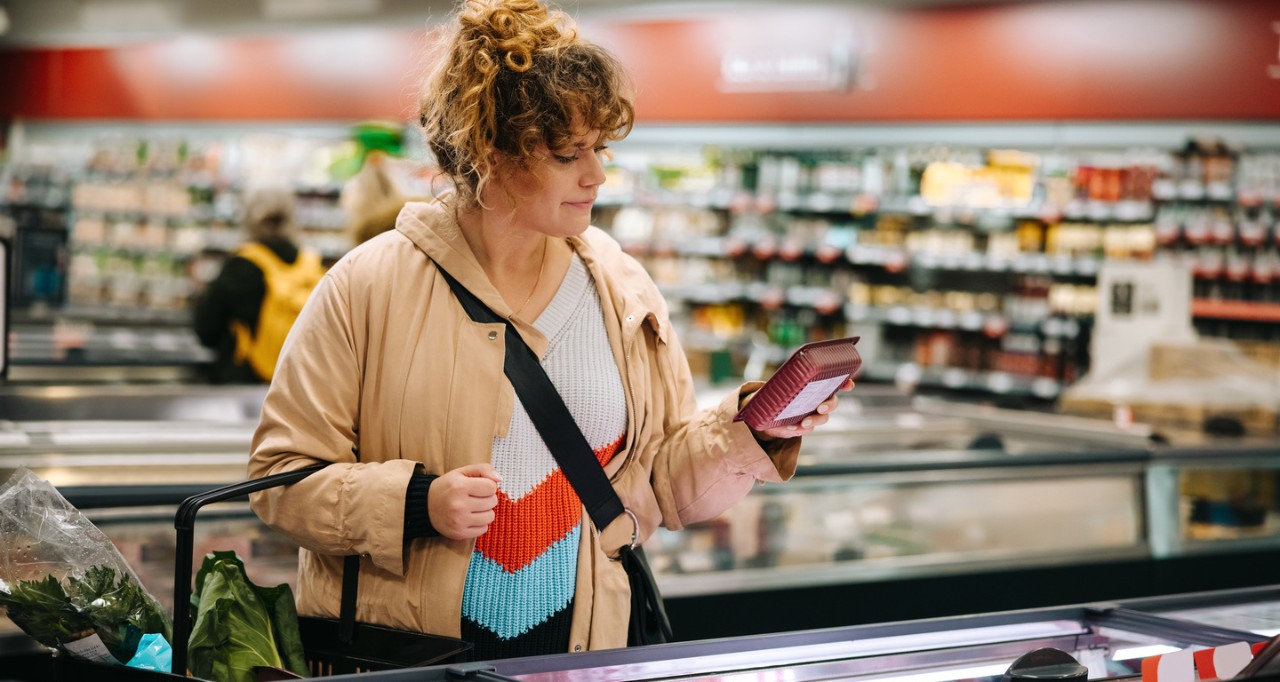
Navigating the frozen food aisle
Repeated thawing and refreezing reduces frozen food nutrition and quality.[17] You can minimize the thawing effect while shopping by picking frozen foods last and placing them together in your cart to keep them cold.
You can also spend less time in the store by having a grocery list to help navigate the frozen food aisle with ease. Lastly, avoid frozen items with tears, openings, or excessive ice in the packaging. These are typically signs of improper storage or freezing.
Reading labels and nutritional information
Cutting back on sodium, sugar, and preservative-rich foods can support your overall well-being.[18] The frozen aisle has such products, and the easiest way to spot and avoid them is to check the product label. Consider frozen foods with lower sodium and added sugar content, and take note of ingredient lists that include multiple preservatives or artificial additives.
Also, consider choosing whole frozen vegetables, fruits, and meats when possible, as they typically contain no seasonings and preservatives. They are also less processed, making them a better option for creating balanced, nutrient-rich meals.[19]
Identifying high-quality frozen foods
Frozen food nutrition and taste can match those of fresh counterparts, but only if you choose top-quality products. Here’s how to choose high-quality frozen foods:
● Avoid damaged or excessively iced packages.
● Go for products with easy-to-read ingredient lists.
● Pick products with less sodium, sugar, preservatives, and additives
● Check the expiration date to confirm the product’s quality.
Common misconceptions about frozen foods
A lot of people believe frozen foods are bad, but this isn’t true about all frozen foods.[20] For example, many think all frozen meals are highly processed and unhealthy. While some frozen meals fit this description, many options are the opposite. For example, frozen meals with whole ingredients like vegetables, fruits, and lean proteins can be just as nutritious as fresh meals.
These foods retain most of their nutrients while frozen and don’t degrade like fresh foods on store shelves. Also, not all frozen meals are high in sodium or loaded with preservatives.[21] Thanks to freezing technology advancements, many frozen meals have great taste and texture without loads of sodium, additives, and preservatives.
How to choose better frozen options
Fruits and vegetables frozen quickly after harvest retain most of their vitamins, minerals, and other nutrients.[22] Consider going for such products if you want top-shelf frozen foods.
Also, prioritize single-ingredient items like frozen fruits, vegetables, or meat to avoid unnecessary additives. If you want frozen meals, look for options with balanced portions of protein, fiber, and carbs for a well-rounded diet.
Other features that set healthy frozen foods apart include:
● Minimal added sugar and salt
● Whole, natural ingredients like vegetables, lean proteins, and grains
● Good fats from sources like seafood, olive oil, avocado, or nuts
● No artificial preservatives or colors
Creative ways to use frozen foods
Proper prepping and cooking helps frozen food’s nutrition and taste shine. Here’s how to get the most out of your frozen produce:
Easy meal ideas with frozen ingredients
You can use frozen foods in many of the ways you use fresh foods. Do you want a smoothie? Blend frozen fruits like berries, mango, or spinach with yogurt and a splash of milk for a quick, nutritious breakfast.
How about stir-fry? Grab some frozen vegetables and proteins like chicken or shrimp. Toss them in a hot pan with your favorite sauce for a quick and tasty dinner.
Even casseroles are possible with frozen vegetables and meats as the base. You can also add frozen potatoes, rice, or pasta to make it more filling.
Balancing frozen foods in a meal plan
Frozen food nutrition and affordability may rival that of fresh food, but that doesn’t mean you should eat only frozen foods. Consider mixing frozen and fresh foods in your recipes to create balanced and nutritious meals. For example, use frozen vegetables like peas or spinach as the base for stir-fries and complement them with fresh, lean proteins like chicken or tofu.
You can also blend frozen fruits into smoothies with fresh greens or combine frozen quinoa or rice with fresh herbs or seeds for added texture and flavor. It’s the best of both worlds that maximizes convenience without sacrificing nutrition.
Recipes highlighting frozen fruits and vegetables
Try out these easy frozen fruit and vegetable recipes to experience the benefits of frozen food.
1. Frozen Vegetable Stir-Fry: Heat avocado oil in a pan and add garlic, cooking for 1-2 minutes until fragrant. Add your frozen vegetable mix and cook for 5-7 minutes until heated through. Stir in soy sauce and sesame oil, and cook for another 2 minutes before adding cooked chicken or tofu for extra protein.
2. Frozen Berry Yogurt Parfait: Blend 2 cups of frozen berries, 1 cup of yogurt, and a drizzle of honey or maple syrup until smooth. Serve topped with granola or chopped nuts for texture and added flavor.
Note that you don’t need to thaw frozen vegetables before cooking because it causes texture and nutrient loss.[23]
Embrace the convenience of frozen foods
Frozen food’s nutrition, taste, and versatility can rival fresh foods. Frozen foods are also often more affordable and have a longer shelf life. If you’re looking for ways to stretch your grocery budget while still enjoying quality meals, consider adding frozen foods to your list. Plus, having a freezer opens the door to buying in bulk and keeping a variety of frozen ingredients on hand for easy meal prep.
Now that you know more about navigation the frozen food aisle, you may be curious about how the Sincerely Health nutrition tools in the app can help.
Want to get more out of your grocery shopping?
You can start by downloading the Sincerely Health app. You’ll save $10 on groceries* for creating an account. Next, create a personalized Sincerely Health nutrition profile to receive 1,000 points*.
Your nutrition profile allows you to:
- Set specific nutrition goals.
- Earn 10 points for each item you purchase for a maximum 100 points per order (that’s 10 items at 10 points each).
Join Sincerely Health and set up your nutrition profile today.
Frequently asked questions
Are frozen foods better than fresh foods?
Frozen foods offer advantages in terms of shelf life, convenience, and cost-effectiveness. However, while frozen foods retain most nutrients, fresh foods especially when consumed soon after harvest—may retain slightly higher levels of certain vitamins and antioxidants. may have a slight nutritional advantage in some cases.
What should I look for on frozen food packaging?
Check for expiration or “best by” dates and review ingredient lists for minimal added sugars, sodium, preservatives, and artificial additives. Also, avoid frozen food packaging with damage, excessive ice, or signs of thawing and refreezing.
Sources
[1] Food and Agriculture Organization (FAO). Introduction to Freezing. https://www.fao.org/4/y5979e/y5979e03.htm
[2] Food and Agriculture Organization. Introduction to Freezing. https://www.fao.org/4/y5979e/y5979e03.htm
[3] FoodSafety.Gov. Cold Food Storage Chart. Last reviewed September 19, 2023. https://www.foodsafety.gov/food-safety-charts/cold-food-storage-charts
[4] North Dakota State University. Food Freezing Basics: Packaging, Loading the Freezer and Refreezing. Last reviewed August 2022. https://www.ndsu.edu/agriculture/extension/publications/food-freezing-basics-packaging-loading-freezer-and-refreezing
[5] U.S. Department of Agriculture (USDA) Food Safety and Inspection Service. Freezing and Food Safety. Last reviewed August 9, 2024. https://www.fsis.usda.gov/food-safety/safe-food-handling-and-preparation/food-safety-basics/freezing-and-food-safety
[6] Food and Agriculture Organization. Introduction to Freezing. https://www.fao.org/4/y5979e/y5979e03.htm
[7] Food and Agriculture Organization. Introduction to Freezing. https://www.fao.org/4/y5979e/y5979e03.htm
[8] American Frozen Food Institute. Menu Modeling Demonstrates Feasibility, Nutritional Value and Affordability of Frozen Foods. https://frozenadvantage.org/wp-content/uploads/2021/08/Menu-Modeling-White-Paper.pdf
[9] Teachers College Columbia University. Fresh, Refrigerated, or Frozen: Does it Really Matter? Last reviewed June 28, 2023. https://www.tc.columbia.edu/tisch/blog/news/fresh-refrigerated-or-frozen-does-it-really-matter-/
[10] North Dakota State University. Food Freezing Basics: Packaging, Loading the Freezer and Refreezing. Last reviewed August 2022. https://www.ndsu.edu/agriculture/extension/publications/food-freezing-basics-packaging-loading-freezer-and-refreezing
[11] Food and Agriculture Organization. Introduction to Freezing. https://www.fao.org/4/y5979e/y5979e03.htm
[12] Food and Agriculture Organization. Introduction to Freezing. https://www.fao.org/4/y5979e/y5979e03.htm
[13] FoodSafety.Gov. Cold Food Storage Chart. Last reviewed September 19, 2023. https://www.foodsafety.gov/food-safety-charts/cold-food-storage-charts
[14] Food and Agriculture Organization. Introduction to Freezing. https://www.fao.org/4/y5979e/y5979e03.htm
[15] Feeding America. Fighting Food Waste and Hunger through Food Rescue. https://www.feedingamerica.org/our-work/reduce-food-waste
[16] The Frozen Advantage. Frozen Food Waste Study 2022. Last reviewed 2022. https://frozenadvantage.org/wp-content/uploads/2023/05/Consumer-Food-Waste-Survey.pdf
[17] National Library of Medicine. Effect of Freeze-Thaw Cycles on the Nutritional Quality of Some Selected Nigerian Soups. Last reviewed August 15, 2013. https://pmc.ncbi.nlm.nih.gov/articles/PMC4779483/
[18] The Nutrition Source. Processed Foods and Health. Last reviewed August 2023. https://nutritionsource.hsph.harvard.edu/processed-foods/
[19] The Nutrition Source. Processed Foods and Health. Last reviewed August 2023. https://nutritionsource.hsph.harvard.edu/processed-foods/
[20] North Shore Health Centers. Frozen Foods: Myth or Fact? https://northshorehealth.org/frozenfoods/
[21] The Frozen Advantage. Frozen Food Facts. https://frozenadvantage.org/frozen-food-facts/
[22] Teachers College Columbia University. Fresh, Refrigerated, or Frozen: Does it Really Matter? Last reviewed June 28, 2023. https://www.tc.columbia.edu/tisch/blog/news/fresh-refrigerated-or-frozen-does-it-really-matter-/
[23] National Library of Medicine. Vitamin C Losses in Some Frozen Vegetables Due to Various Cooking Methods. Last reviewed December 2000. https://pubmed.ncbi.nlm.nih.gov/11190845/